
-
Waterproof Pocket Notebook All Weather Field Notes Journal (50 Sheets with Pencil)
Vendor:ASR OutdoorRegular price $10.99 USDRegular price -
Waterproof Emergency Rain Poncho Lightweight Camping & Hiking Rain Protection (Clear, 1pk)
Vendor:ASR OutdoorRegular price $10.99 USDRegular price -
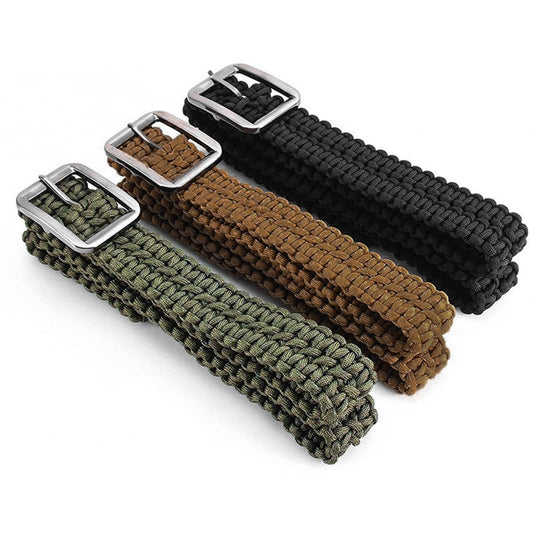
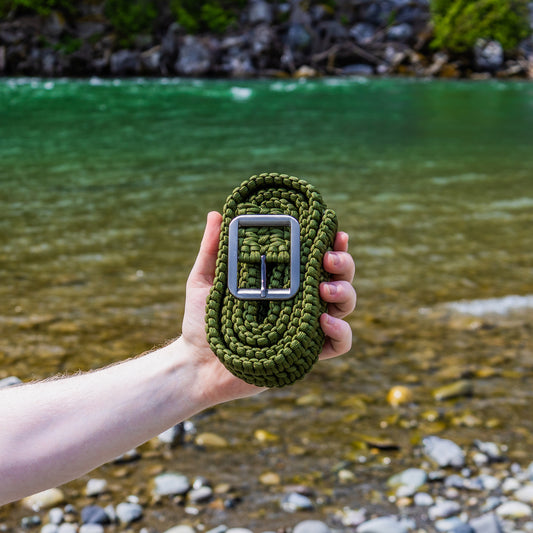
Universal Fit Survival 550 Paracord Belt with Stainless Steel Buckle, 52 inch
Vendor:ASR OutdoorRegular price $21.99 USDRegular price -
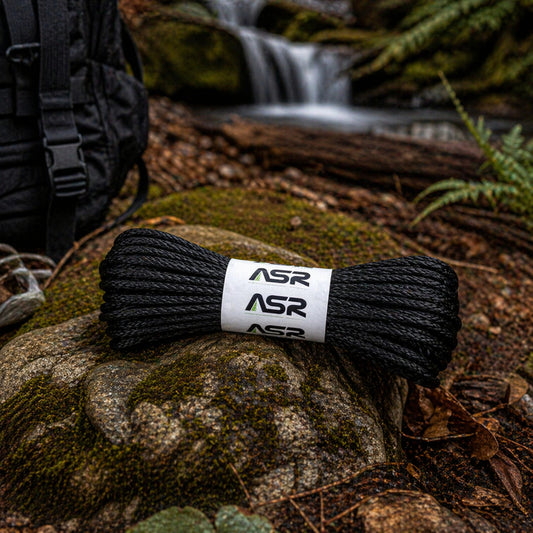
Technora Composite Survival Rope 600lb Breaking Strength (Black, Assorted Lengths)
Vendor:ASR OutdoorRegular price From $19.99 USDRegular price -
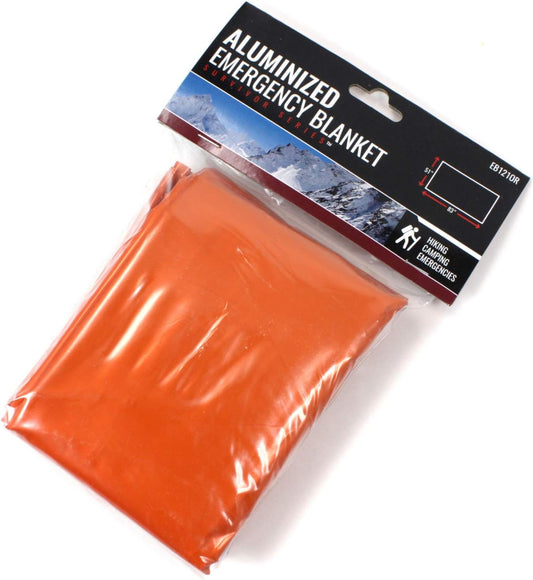
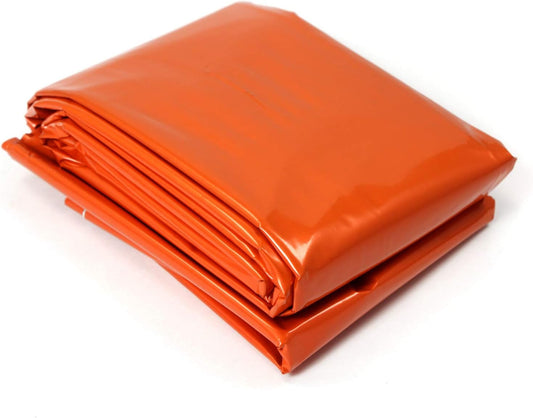
Survival Mylar Extreme Emergency Blanket, Orange
Vendor:ASR OutdoorRegular price $9.99 USDRegular price -
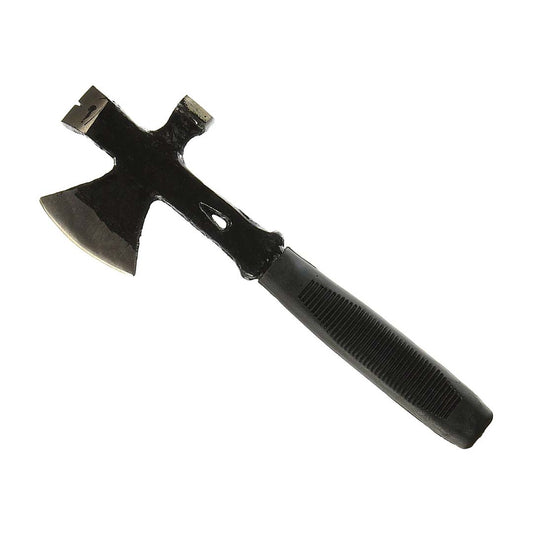
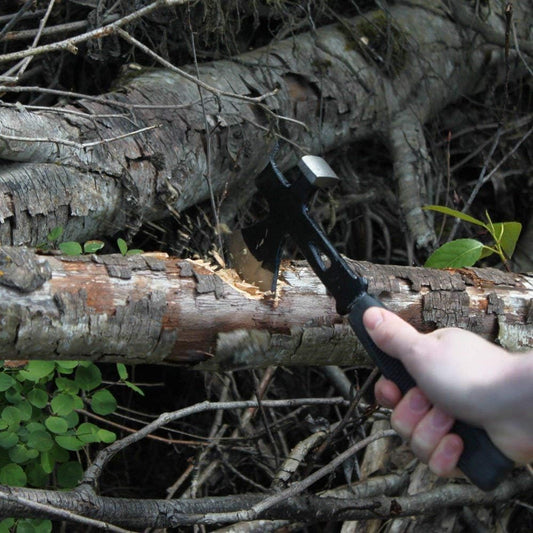
Survival Hatchet with Hammer and Pry Bar, Multi-Tool
Vendor:ASR OutdoorRegular price $17.99 USDRegular price -
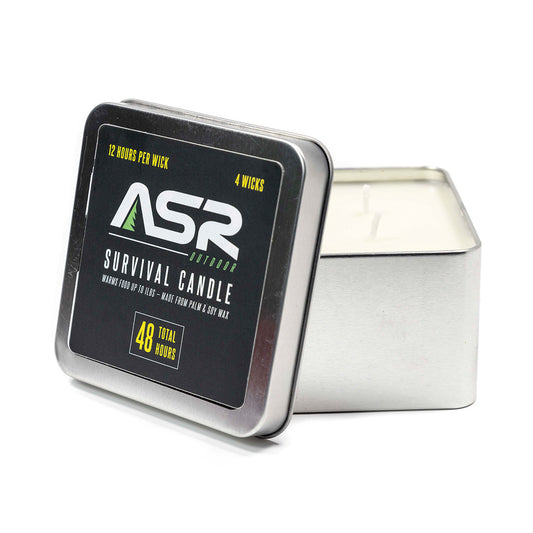
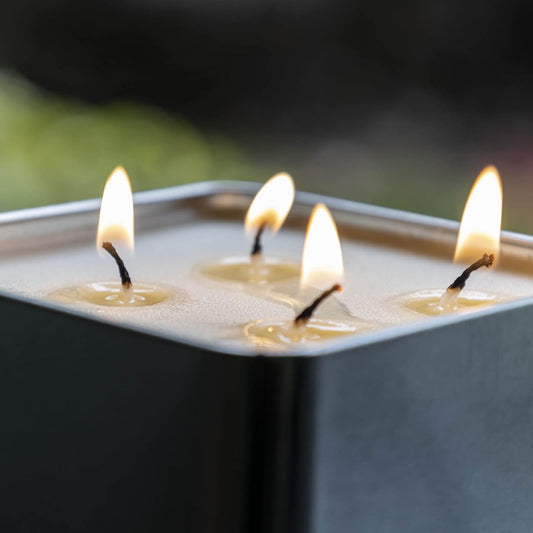
Survival Candle, 48 Hour, Unscented, 4 Wick, Emergency, Survival, Indoor Outdoor, Tin
Vendor:ASR OutdoorRegular price $14.99 USDRegular price -
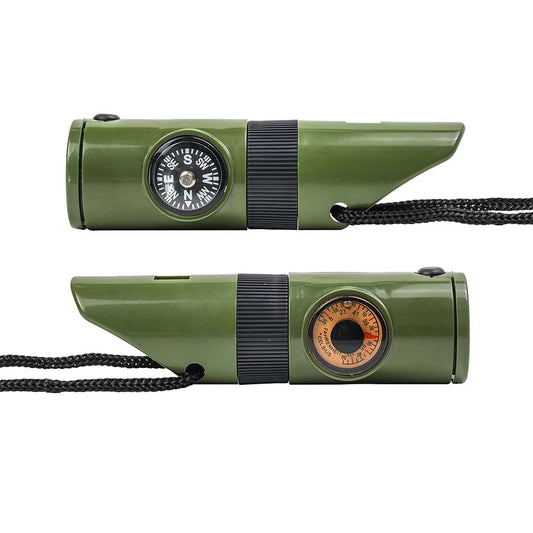
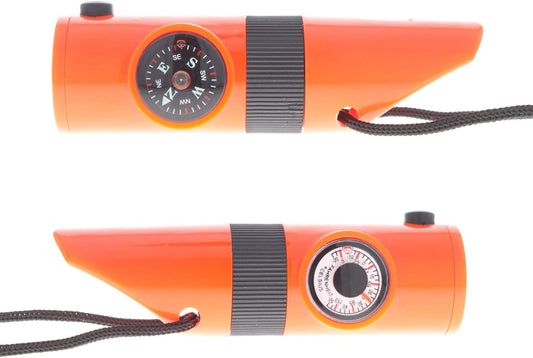
Survival 7 in 1 Multitool with Whistle Compass LED Flashlight
Vendor:ASR OutdoorRegular price $10.99 USDRegular price -
Stainless Steel Signaling Mirror - Emergency Survival Mirror for Hiking, Camping & Outdoor Safety
Vendor:ASR OutdoorRegular price $10.99 USDRegular price -
Reusable Thermal Mylar Emergency Blanket Sleeping Bag Bivvy Sack 40um Thickness
Vendor:ASR OutdoorRegular price $15.99 USDRegular price -
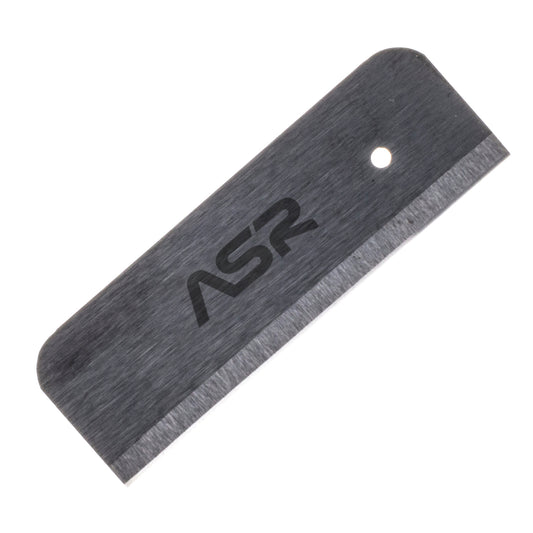
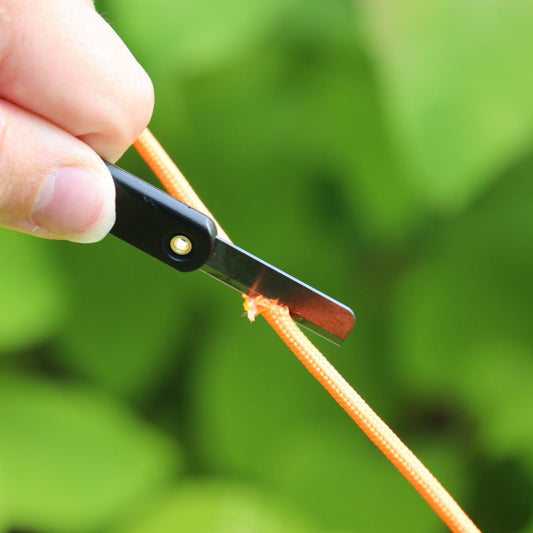
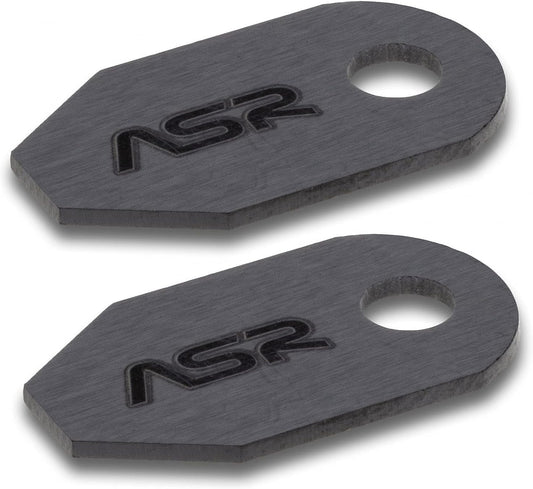
Non-Metallic Zirconia Ceramic Mini Survival Razor Blade, Wear-Resistant and Non-Dulling
Vendor:ASR OutdoorRegular price From $10.99 USDRegular price -
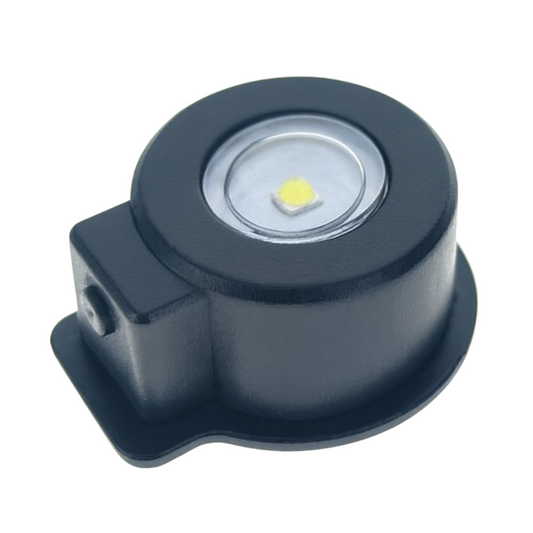
Mini Stick On LED Lights 6 Pack Battery Operated Puck Lights with Magnet and Adhesive for Camping Gear RV Tool Boxes
Vendor:ASR OutdoorRegular price $24.99 USDRegular price -
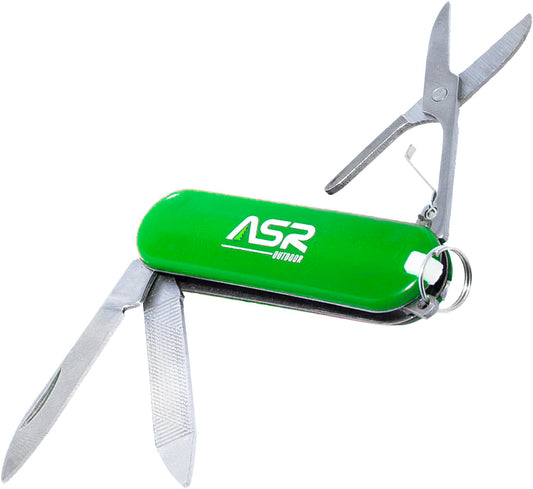
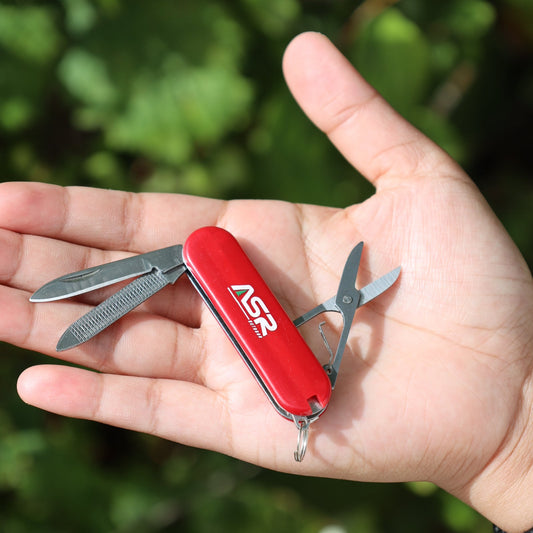
Mini Logo EDC Small Pocket Knife Multitool (4 Colors)
Vendor:ASR OutdoorRegular price $9.99 USDRegular price -
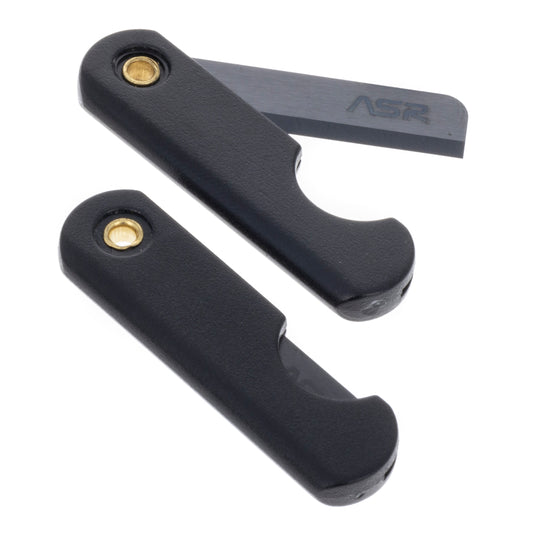
Mini Folding Ceramic Razor Blade Survival Tool EDC Gear (Assorted Pack Sizes)
Vendor:ASR OutdoorRegular price From $9.99 USDRegular price -
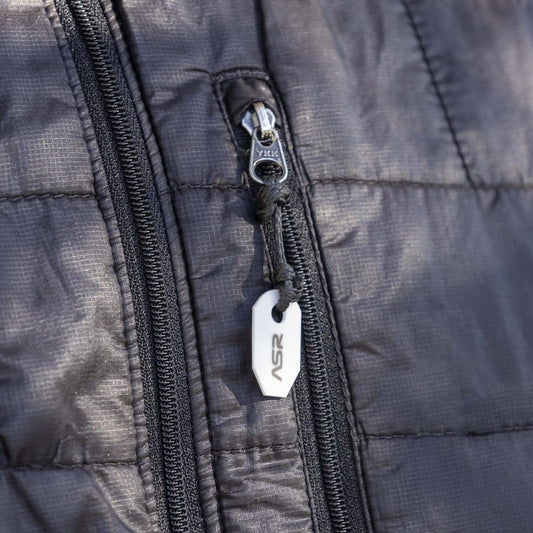
Micro EDC Ceramic Striker Survival Gear Fire Starter (2 Colors)
Vendor:ASR OutdoorRegular price From $9.99 USDRegular price -
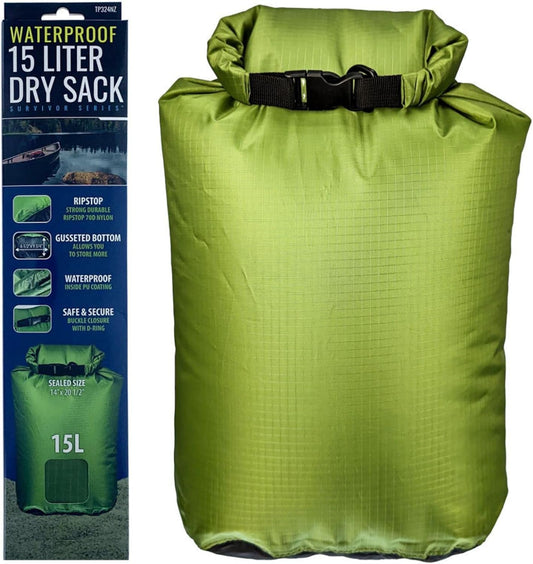
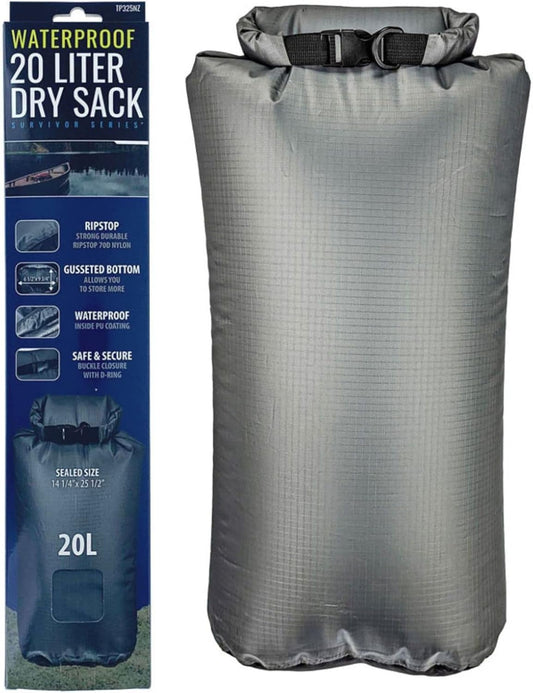
Lightweight Waterproof Dry Sack Bags with Roll Top (3 Sizes, 3 Colors)
Vendor:ASR OutdoorRegular price From $14.99 USDRegular price -
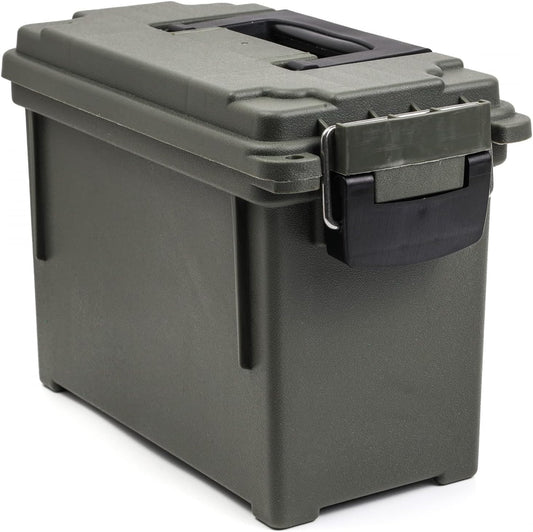
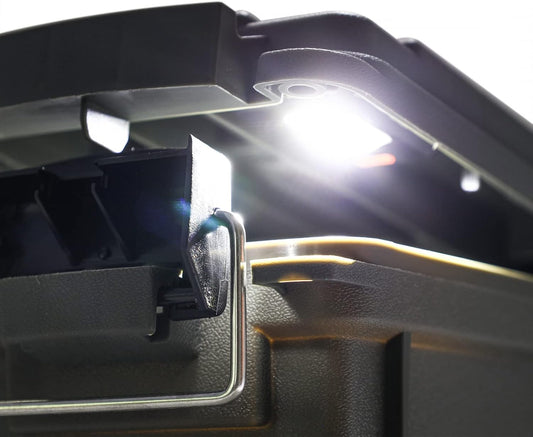
Illuminated Dry Box Detachable Lid Large Waterproof Storage Case
Vendor:ASR OutdoorRegular price $29.99 USDRegular price -
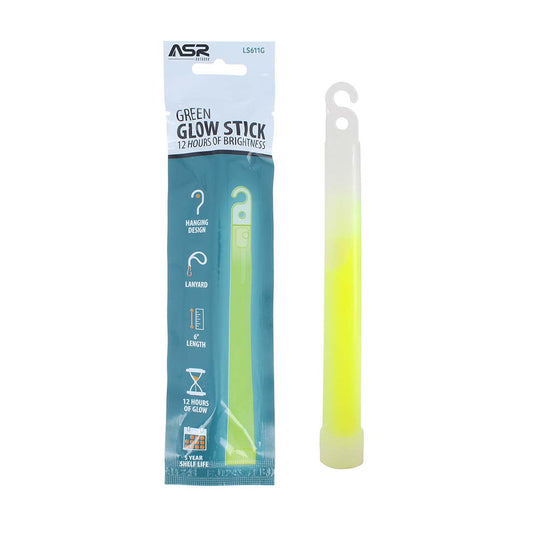
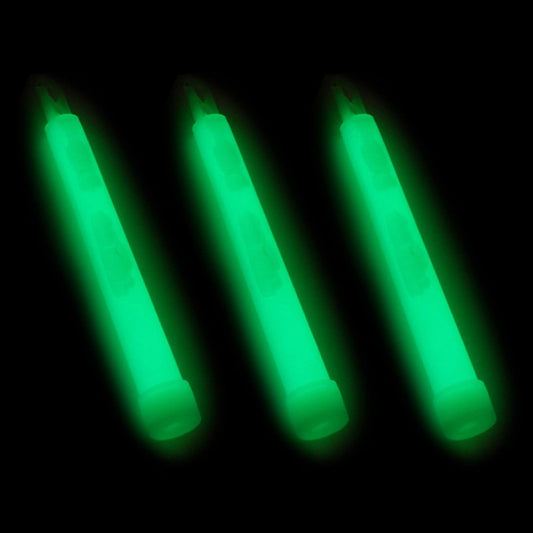
High Visibility Emergency Glow Stick Safety Light, 1pk
Vendor:ASR OutdoorRegular price $9.99 USDRegular price -
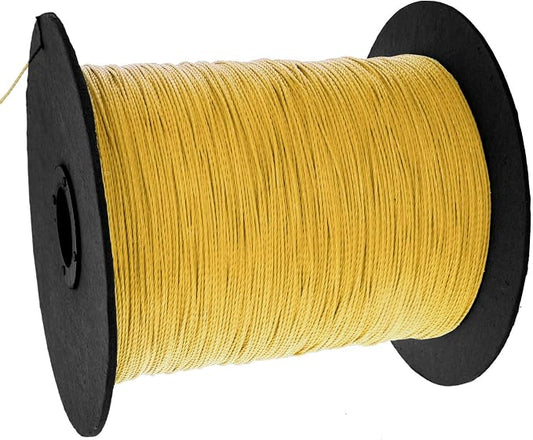
Genuine Made in USA Kevlar Sport Line Utility Cord, 200LB (Assorted Lengths & Colors)
Vendor:ASR OutdoorRegular price From $9.99 USDRegular price -
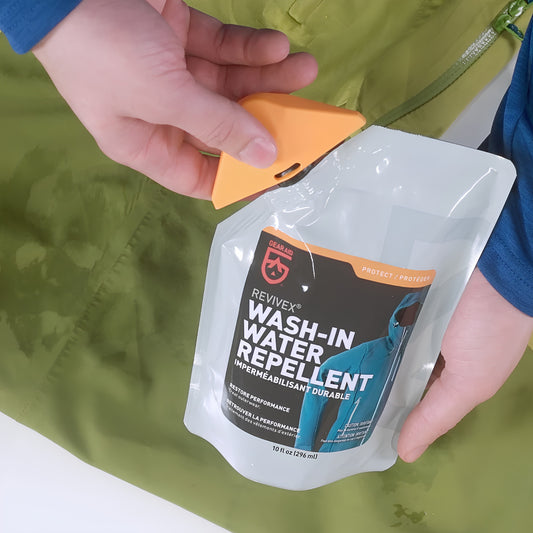
GEAR AID Revivex Wash-In Water Repellent (10oz - Assorted Pack Sizes)
Vendor:ASR OutdoorRegular price From $15.99 USDRegular price -
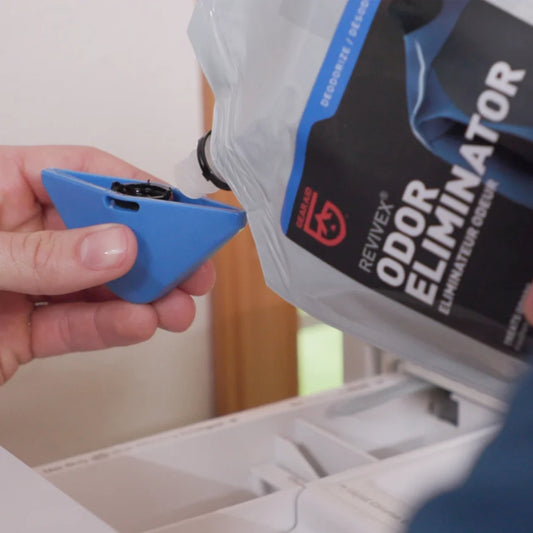
GEAR AID Revivex Odor Eliminator (10oz)
Vendor:ASR OutdoorRegular price $14.99 USDRegular price -
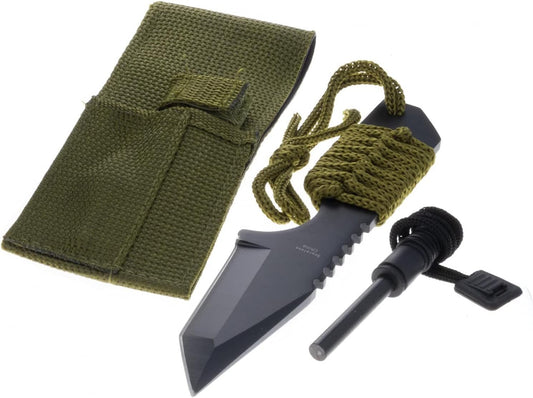
Full Tang Tanto Survival Knife with Fire Starter, 7 inch, Serrated Spine, Black and Green
Vendor:ASR OutdoorRegular price $12.99 USDRegular price -
Full Magnesium Body Fire Starter Survival Tool with Striker
Vendor:ASR OutdoorRegular price $10.99 USDRegular price -
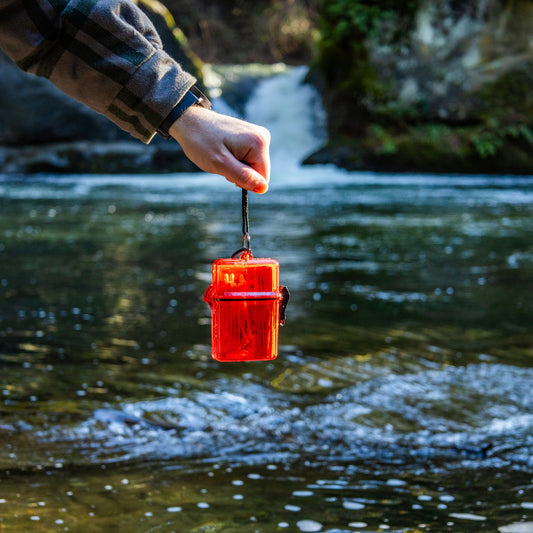
First Aid Kit in Plastic Waterproof Case Survival Gear Emergency Preparedness Item, 50pc
Vendor:ASR OutdoorRegular price $10.99 USDRegular price










How to Build a Survival Kit
What are the basics of a survival kit?
A good kit covers the survival priorities in order: shelter and warmth, water, fire, signaling for help, first aid, and a few dependable tools. Start with one reliable item in each category, then add backups for the ones that matter most, like fire and warmth. Keep it organized in a waterproof bag so everything is ready when you need it.
What fire-starting tools should I carry?
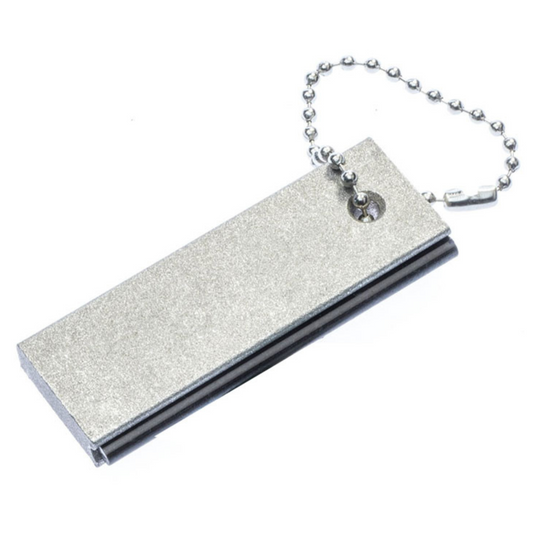
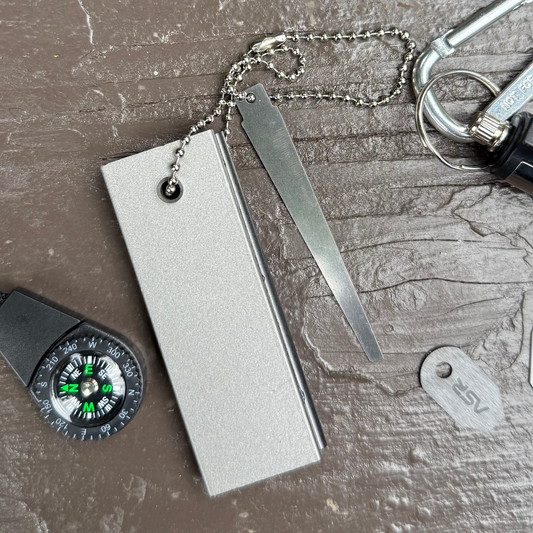
Carry at least two ways to make fire. A magnesium striker or ferro rod works wet, after it has been dropped, and long after a lighter would fail, which is why it is the backbone of any kit. A compact fire stick with a striker is easy to keep on a keychain as backup.
How do I stay warm in an emergency?
A mylar emergency blanket weighs almost nothing and reflects your body heat back to you, so several belong in every pack and vehicle. A reusable thermal bivvy adds durability for repeated use, and a wool blanket holds warmth even when damp. A long-burning survival candle adds heat and light to a shelter.
What signaling and safety items matter?
If you need rescue, being seen and heard is everything. A stainless signaling mirror flashes for miles in sunlight, a whistle carries far further than your voice, and a glow stick or high-visibility light marks your position at night. These are tiny, cheap, and can make the difference.
What is EDC, and what should I keep on me?
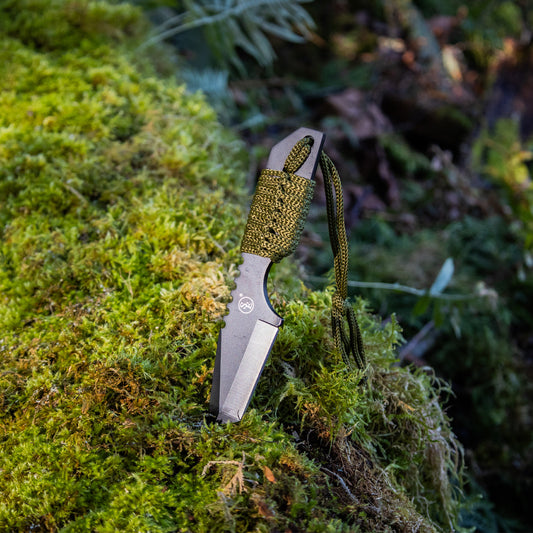
Everyday carry, or EDC, is the small gear you keep on your person so you are never without the basics, typically a multitool, a mini knife, a fire starter, and a compact light. Pair these with a dependable blade from our outdoor knives and the trail gear in our camping gear collection.
Blog posts
View all-

What Can You Find in a Creek Besides Gold? A Gu...
Creeks and rivers can hold much more than placer gold. From quartz and jasper to agates, garnets, petrified wood, and unusual volcanic rocks, learn what to watch for while exploring...
What Can You Find in a Creek Besides Gold? A Gu...
Creeks and rivers can hold much more than placer gold. From quartz and jasper to agates, garnets, petrified wood, and unusual volcanic rocks, learn what to watch for while exploring...
-

Best Affordable Gold Panning Kits for Beginners...
New to gold prospecting? Discover affordable gold panning kits for beginners in 2026, learn what tools to look for, and find a starter setup that fits your budget, skill level,...
Best Affordable Gold Panning Kits for Beginners...
New to gold prospecting? Discover affordable gold panning kits for beginners in 2026, learn what tools to look for, and find a starter setup that fits your budget, skill level,...
-

How to Test Gold with an Acid Testing Kit: A Be...
Gold color alone can't tell you its purity. Learn how gold acid testing kits use karat-specific solutions and a testing stone to help evaluate suspected gold, jewelry, coins, scrap metal...
How to Test Gold with an Acid Testing Kit: A Be...
Gold color alone can't tell you its purity. Learn how gold acid testing kits use karat-specific solutions and a testing stone to help evaluate suspected gold, jewelry, coins, scrap metal...


